
A lot passed the factory’s inspection and failed the customer’s, using the same sampling table on both sides. The table had been agreed; the defect classification had not. A scratch that the factory recorded as minor was a major defect for the retailer, and the same argument had simply not happened yet in a way that produced a written answer.
Charger AQL inspection: the four decisions that define the plan
Four decisions define a working plan: the defect classification, the inspection level and limits, the sample points and the response to a rejection.
The sampling table is the visible part of the plan and the least argued about. The classification is where two parties usually disagree, because it encodes what the buyer considers unacceptable rather than a statistical convention.
Deciding the four before the first batch is what makes an inspection a shared standard instead of a negotiation, and it is also what allows different factories to be compared on the same basis.
Decision 1: what counts as critical, major and minor
The classification is a commercial decision written in the buyer’s language.
A critical defect affects safety or the ability to use the product at all, and it is typically verified on every unit rather than sampled. A major defect affects function or the customer’s willingness to pay, such as a port that fails under load or a marking that is wrong or illegible. A minor defect affects appearance without affecting use. The list has to name the actual conditions: a scratch longer than a stated length, a colour difference against the retained reference, a plug that needs excessive force.
Decision 2: the inspection level and the limits
The level and the limits are what convert the table into a pass or fail.
The inspection level sets how much of the lot is examined and the limits set how many defective units are tolerated. Both are stated in the purchase agreement rather than assumed from a default, because the same table at a different level produces a different decision on the same lot. Where the buyer’s channel has its own requirement, that requirement is the starting point rather than the factory’s default.
Decision 3: where the sample is drawn
When and where the sample is taken decides what it can find.
A sample drawn at the start of a shift describes the line when it is warm and unhurried; a sample taken after a changeover or at the end of a reel describes a different line. The plan states the points: per lot, per shift and per changeover, with the identity of the batch recorded. Without that, the sampling is a formality whose result depends on when the inspector happened to arrive.
Decision 4: what happens after a rejection
The response decides whether the defect returns in the next shipment.
A rejected lot is quarantined, sorted or reworked, and the outcome should be accompanied by a cause: which process produced the defect, what changed, and how the change is verified on the next batch. Where a lot is sorted and re-inspected without a cause, the same defect reappears in the following shipment and the sorting cost repeats with it.
| Decision | What it sets | Record | Where it fails |
|---|---|---|---|
| Defect classes | What counts as critical, major and minor | The agreed defect list | Two parties with different lists |
| Level and limits | How much is inspected and what passes | The plan stated in the agreement | A default assumed silently |
| Sample points | Where and when the sample is drawn | Batch and shift identification | One point in the shift |
| Rejection response | Sort, rework or hold, with a cause | Containment and cause record | Sorting without a cause |
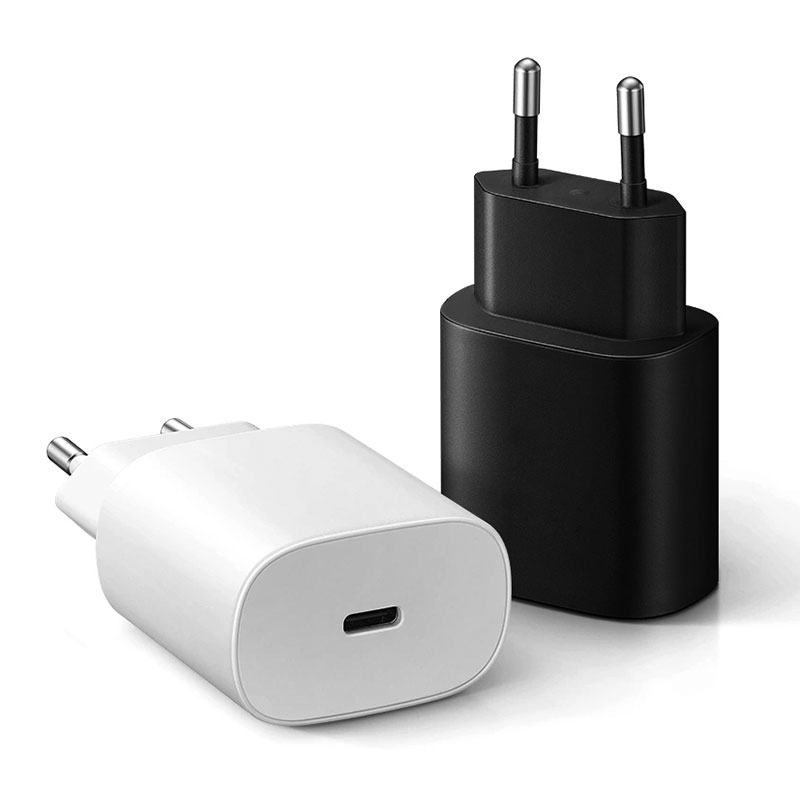
Visual defects on a charger: the list worth writing
Six items cover most appearance disputes on this product.
Scratches and scuffs with a stated length and location rule; colour difference against the retained reference, viewed under a stated light; print or marking alignment and legibility; flash and sink marks on moulded parts; connector and port damage; and packaging condition where the carton is part of the retail product. Each is written as a measurable condition, because a defect described as “poor finish” is decided by whoever is looking.
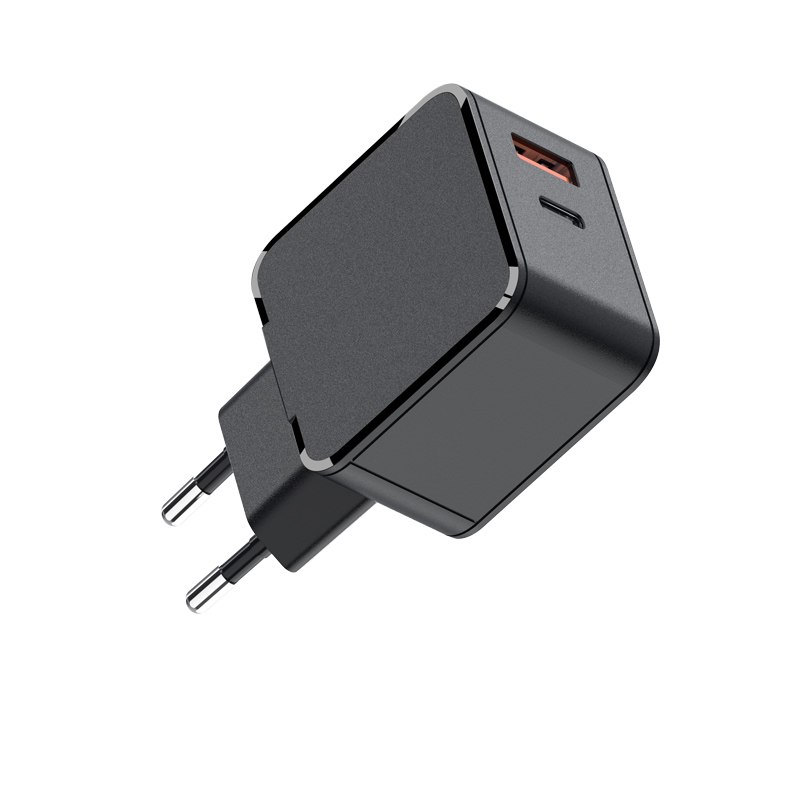
How a plan survives a change of factory
The plan travels with the product if it is written as a document.
Where the classification, the level, the sample points and the rejection response are written, a second factory starts from the same standard and the buyer’s inspection results remain comparable. Where the plan lives in a relationship, a change of factory restarts the argument, and the first batch from the new supplier is judged by two people who have never agreed what a major defect is.
FAQ
Is AQL sampling enough for a charger?
Sampling suits appearance and attribute checks, and the parameters that decide safety and function are normally verified on every unit through the functional test. The plan should state which is which rather than applying sampling to everything. Sampling suits appearance and attribute checks, while the parameters that decide safety and function are normally verified on every unit through the functional test.
Who should set the defect classification?
The buyer defines what is unacceptable in its channel and the factory confirms that each item can be measured and detected at the station. The document is signed by both, which is what prevents the same lot being judged twice with two different answers. The buyer defines what is unacceptable in its channel and the factory confirms that each item can be measured and detected at the station.
What if a lot is rejected after shipment has started?
Quarantine the affected units and the same lot still in production, establish the cause, then decide between sorting, rework and replacement. A sorted lot with no cause will produce the same defect in the next shipment, and the containment cost repeats with it. Quarantine the affected units and the same lot still in production, establish the cause, then decide between sorting, rework and replacement.
How often should the plan be reviewed?
At a change of product, factory or packaging, and whenever a defect escapes to a customer. A plan written once and never revisited usually no longer describes what the line produces. Review at a change of product, factory or packaging and whenever a defect escapes to a customer, because a plan written once no longer describes the line as it runs today.
Do we need a full inspection report with each shipment?
The useful document is short: which lot was inspected, at which sample points, against which limits, with what result and what disposition. Anything longer is usually a template, and anything shorter cannot be compared with the previous shipment. The useful document states which lot was inspected, at which sample points, against which limits, with what result and what disposition for that shipment.
Next step
Send the product, the channel requirement and the packaging specification to Wecent Group through the contact page. The reply returns the defect classification for the product, the inspection level and sample points, and the record that accompanies each shipment. Related reading: the factory floor, charger manufacturing services and OEM and ODM charger manufacturing. External references: IEC standards, IEC Webstore, UL standards and certification, TUV testing services, Intertek testing services and IQNet certification network.
{“@context”:”https://schema.org”,”@type”:”FAQPage”,”mainEntity”:[{“@type”:”Question”,”name”:”Is AQL sampling enough for a charger?”,”acceptedAnswer”:{“@type”:”Answer”,”text”:”Sampling suits appearance and attribute checks, and the parameters that decide safety and function are normally verified on every unit through the functional test. The plan should state which is which rather than applying sampling to everything.”}},{“@type”:”Question”,”name”:”Who should set the defect classification?”,”acceptedAnswer”:{“@type”:”Answer”,”text”:”The buyer defines what is unacceptable in its channel and the factory confirms that each item can be measured and detected at the station. The document is signed by both, which is what prevents the same lot being judged twice with two different answers.”}},{“@type”:”Question”,”name”:”What if a lot is rejected after shipment has started?”,”acceptedAnswer”:{“@type”:”Answer”,”text”:”Quarantine the affected units and the same lot still in production, establish the cause, then decide between sorting, rework and replacement. A sorted lot with no cause will produce the same defect in the next shipment, and the containment cost repeats with it.”}},{“@type”:”Question”,”name”:”How often should the plan be reviewed?”,”acceptedAnswer”:{“@type”:”Answer”,”text”:”At a change of product, factory or packaging, and whenever a defect escapes to a customer. A plan written once and never revisited usually no longer describes what the line produces.”}},{“@type”:”Question”,”name”:”Do we need a full inspection report with each shipment?”,”acceptedAnswer”:{“@type”:”Answer”,”text”:”The useful document is short: which lot was inspected, at which sample points, against which limits, with what result and what disposition. Anything longer is usually a template, and anything shorter cannot be compared with the previous shipment.”}}]}